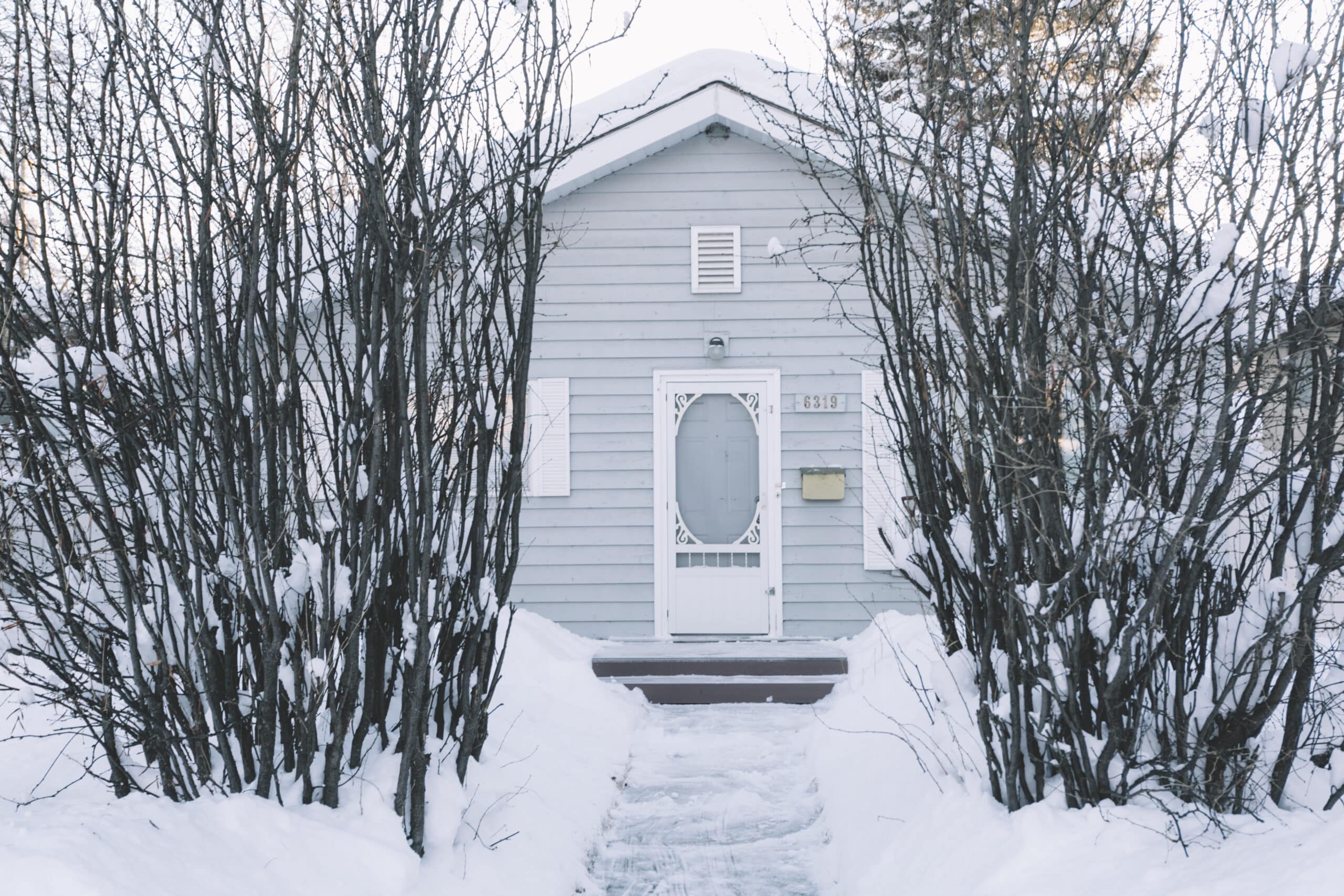
An ice dam insurance claim can become necessary when melting snow refreezes along a roof edge, preventing water from draining properly. That trapped water can seep beneath roofing materials and damage ceilings, walls, insulation, and personal belongings.
Does homeowners insurance cover ice dam damage?
In many cases, a homeowners policy may cover sudden and accidental interior damage caused by an ice dam, subject to the policy’s terms, deductible, exclusions, and coverage limits. The cost of removing or preventing an ice dam can be treated differently.
For homeowners in Red Wing, Lake City, Ellsworth, Lutsen, and surrounding communities, reviewing your homeowners insurance before winter can help you understand your coverage before a winter loss occurs.
What Does Homeowners Insurance Cover After an Ice Dam?
An HO-3 homeowners policy may provide coverage for sudden and accidental water damage caused by an ice dam or burst pipe, depending on the policy’s terms, exclusions, and conditions.
Depending on the policy, dwelling and personal property coverage may apply to covered damage to the home and belongings.
Coverage depends on how the damage occurred. Insurance carriers cover sudden events, but they routinely deny claims resulting from long-term neglect or unheated spaces.
| Winter Claim Scenario | Potential Coverage | Coverage Considerations |
| Burst pipe from a sudden freeze | May be covered | Depends on the policy and whether required precautions were taken |
| Ice dam causes interior water damage | May be covered | Resulting damage may be covered when the loss is sudden and accidental |
| Frozen pipe in an unheated, vacant home | Coverage may be limited or excluded | Policy conditions may require adequate heat or other precautions |
| Gradual roof leak from deterioration | May be excluded | Wear, deterioration, and maintenance issues are commonly excluded |
When an ice dam causes covered water damage inside the home, the policy may provide coverage for repairs to affected building materials and damaged personal belongings, subject to the policy’s terms and limits.
However, most policies exclude the physical cost of removing the ice dam itself unless that ice removal directly stops ongoing, active storm damage.
How to File a Frozen Pipe or Ice Dam Insurance Claim
Acting quickly can help limit additional damage and ensure you promptly notify your insurer of the loss. Take action as soon as you spot water intrusion or a ruptured pipe:
- Turn off your main water valve immediately if a pipe bursts to prevent extra structural damage.
- Take clear photographs and video of damaged ceilings, walls, flooring, and personal items before cleanup starts.
- Contact your insurance agent or insurance carrier as soon as possible to report the loss. If immediate emergency mitigation is needed to prevent further damage, take reasonable steps to protect your home and keep documentation of the work and expenses.
- Save all receipts from emergency cleanup services, water extraction crews, and temporary tarps.
- Review your scope of loss with your adjuster to confirm your policy deductible applies correctly.
Work directly with your local agent to submit documented proof of loss. Accurate repair estimates from qualified local contractors can help document the extent and cost of the damage for the claims process.
How Can You Prevent Ice Dams Before Winter?
The best time to address ice dam risks is before snow and freezing temperatures arrive.
Minnesota homeowners can take several steps in the fall to reduce the conditions that contribute to ice dams.
October ice dam prevention checklist
- Clean leaves and debris from gutters and downspouts.
- Check that downspouts direct water away from the home’s foundation.
- Inspect the roof for damaged or missing shingles.
- Check attic insulation levels.
- Seal air leaks between the living space and attic.
- Inspect attic ventilation.
- Insulate exposed pipes in vulnerable areas.
- Locate and test the home’s main water shutoff valve.
- Keep the home heated during periods of extreme cold.
- Have a professional inspect potential roof or ventilation problems before winter.
Proper attic insulation and ventilation can help reduce the temperature differences that contribute to ice dam formation.
When Should You Review Your Homeowners Insurance Coverage?
Recent home renovations, finished basements, or rising regional construction costs can leave dwelling coverage limits lower than your home’s actual rebuild value.
High winter winds and heavy snow loads near Lake Superior in Lutsen demand reliable coverage limits that reflect current material prices.
Adding optional coverages expands your financial safety net:
- Increased home replacement cost to cover inflation and rising labor prices during major rebuilds.
- Service line coverage for repair costs when outdoor water lines freeze or break underground.
- Equipment breakdown coverage to repair or replace heating boilers and furnace units during cold snaps.
- Replacement cost contents coverage so older damaged items are replaced with brand-new equivalents.
An annual October insurance review identifies coverage gaps before severe weather tests your home’s structural integrity.
MBA Insurance Services helps homeowners in Red Wing, Lake City, Ellsworth, and Lutsen secure complete protection against severe winter weather hazards.
Contact our local insurance team today to complete a thorough policy review before the first winter freeze.
Frequently Asked Questions
Does homeowners insurance pay to remove ice dams from my roof?
Standard policies usually cover the interior damage caused by ice dams, such as ruined drywall or soaked insulation. They generally do not cover the cost of steam removal or ice chipping unless active removal is required to mitigate severe, ongoing structural damage during an open claim.
Will insurance cover water damage if my pipe froze because I turned off the heat?
If you turn off the heat while away from home and pipes freeze, your claim will likely be denied due to neglect. Some policies contain specific requirements for maintaining heat or shutting off and draining plumbing when a home is vacant. Check your policy or ask your insurance agent what precautions are required.
What is the difference between actual cash value and replacement cost for winter contents damage?
Actual cash value pays for damaged belongings based on their current depreciated value. Replacement cost coverage pays the amount needed to purchase brand-new replacement items at today’s retail prices, without subtracting for age or wear.
How soon should I report ice dam water leaks to my insurance company?
Report water leaks to your insurance agent as soon as possible. Prompt reporting allows you to discuss coverage and take reasonable steps to prevent additional damage. Your policy may also contain requirements about reporting losses within a certain timeframe.