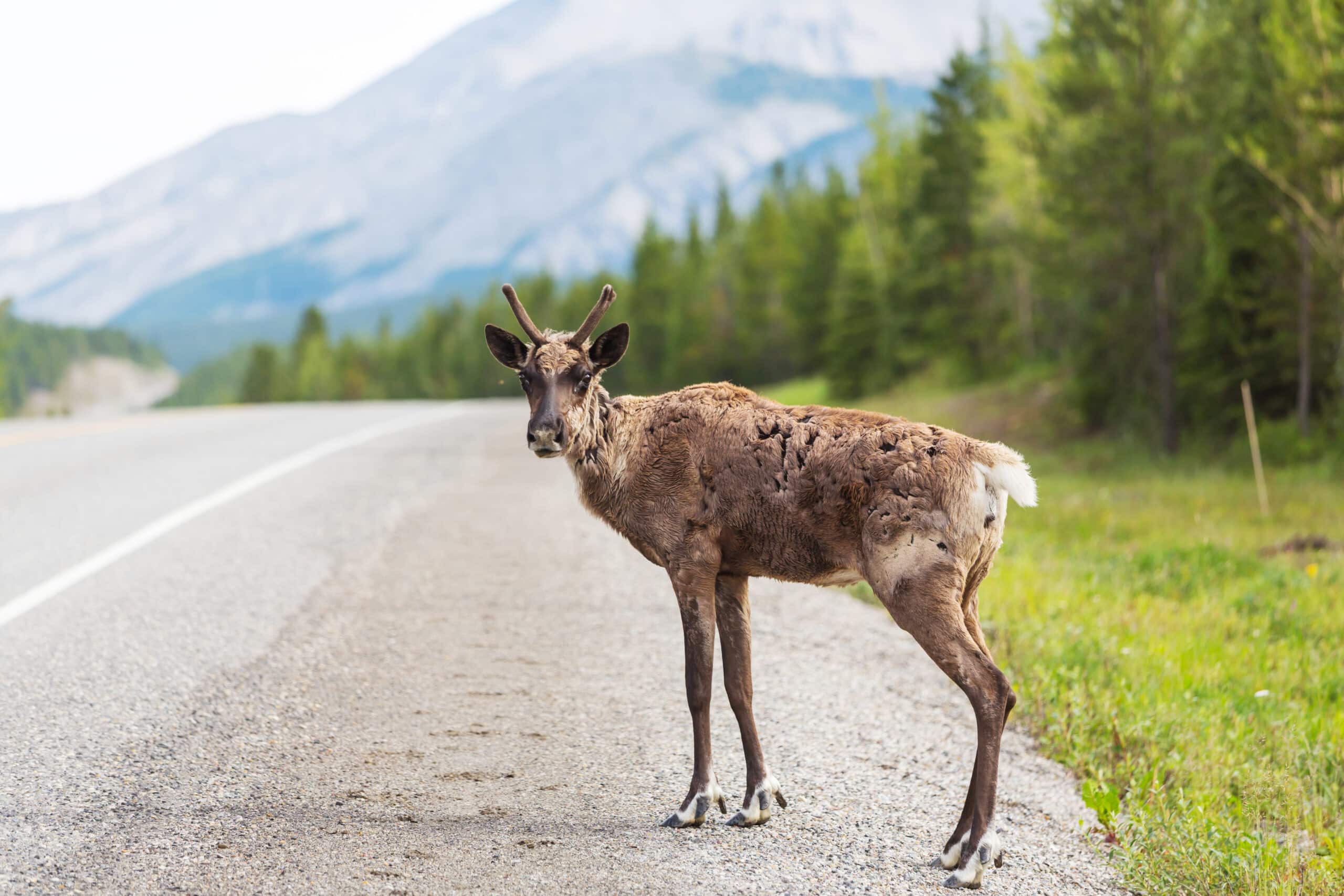
Hitting a deer is one of the most common causes of vehicle damage in Minnesota and Wisconsin, especially during the fall rut.
If it happens to you, whether your insurance pays depends on the coverage you carry. In most cases, comprehensive coverage pays for deer strikes, while collision coverage applies if you swerve and hit another object.
Here’s what to do after a deer accident, how the claims process works, and whether filing a claim could affect your premium.
Does Insurance Cover Hitting a Deer?
If you hit a deer in Minnesota or Wisconsin:
- Comprehensive insurance usually pays for vehicle damage.
- Collision insurance applies if you avoid the deer and hit another object.
- Liability insurance does not cover damage to your own vehicle.
- Most deer claims are considered not-at-fault claims.
- Document the scene and contact your insurance agent as soon as possible.
When Deer Strikes Spike in Minnesota and Wisconsin
October through December is deer season on the roads, not just in the woods. Bucks are chasing does during the rut, daylight hours shrink, and commutes shift into dawn and dusk, exactly when deer move most.
Rural highways like Highway 61 along the Mississippi, County Road 2, and the wooded stretches around Lake City and Lutsen see the highest concentration of strikes. If you drive those roads daily, your odds of a deer collision go up every November.
Comprehensive vs. Collision: Which One Pays
This is where most drivers get confused. Hitting a deer is a comprehensive claim, not a collision claim.
- Comprehensive coverage pays for damage from something other than a crash with another vehicle: animal strikes, hail, fire, theft, vandalism.
- Collision coverage pays when your car hits another vehicle or object, like a guardrail.
If you swerve to avoid a deer and instead hit a tree, a ditch, or another car, that’s a collision claim. The distinction matters because your deductibles are often different for each. If you carry comprehensive coverage, a deer strike is covered. If you dropped comprehensive to save on premiums, you’re paying out of pocket.
According to the Insurance Information Institute, animal collisions account for hundreds of thousands of insurance claims each year, with deer responsible for the vast majority of crashes involving wildlife.
What the Claims Process Looks Like
A deer collision claim moves faster than most people expect if you handle the first hour right.
- Call 911 or the sheriff’s non-emergency line if there’s injury, blocked traffic, or significant damage. A police report backs up your claim and is often required for injury-related payouts.
- Take photos of the vehicle damage, the road, and the animal if it’s visible. Timestamp them if your phone doesn’t do it automatically.
- Call your agent within 24 hours. The sooner you report, the sooner the adjuster can inspect and get you into a rental if your policy includes rental reimbursement.
- Get an estimate from a repair shop of your choice. Most comprehensive claims for animal strikes are approved without dispute since there’s no fault to argue.
Timelines vary, but a straightforward deer collision insurance claim with clear photos and a police report typically settles in one to two weeks.
Does Filing a Deer Claim Make Financial Sense?
Not always. Run the math before you file.
If your comprehensive deductible is $500 and the damage estimate is $600, you’re filing for a $100 net benefit, and that’s before weighing any rate impact. If the damage is $3,000 for a cracked bumper, headlight, and hood, filing is the clear move.
A good rule: if repair costs are close to your deductible, get the estimate first, then decide.
What Happens to Your Premium After a Deer Claim
Here’s the part that surprises people: usually nothing. Comprehensive claims, including animal strikes, are typically treated as no-fault, not-at-fault events by most carriers.
Unlike an at-fault collision claim, a deer strike doesn’t usually trigger a surcharge because you didn’t cause the accident, and there’s no way to prevent an animal from running into the road.
Some carriers do track claim frequency across policy history, so multiple comprehensive claims in a short window can still draw attention at renewal. One deer strike, on its own, rarely moves your rate.
Every insurer evaluates claims differently, and state regulations also play a role. While a single deer strike generally doesn’t increase premiums, insurers may review your overall claims history when your policy renews.
Your independent insurance agent can explain how your carrier handles comprehensive claims.
Swerve-to-Avoid Scenarios Change Everything
If you swerve and miss the deer but hit a guardrail, another vehicle, or roll into a ditch, that damage falls under collision coverage, not comprehensive. This is why carrying both is worth discussing with your agent, especially if you drive wooded highways regularly.
Drivers are often trained to swerve, but safety experts and most insurers actually recommend braking straight rather than swerving, since a controlled deer strike usually causes less damage and fewer injuries than an overcorrection into another lane or a fixed object.
Talk to MBA Insurance Before Deer Season Hits
Before deer season reaches its peak, make sure your policy includes the protection you expect. MBA Insurance Services can review your comprehensive and collision coverage, explain your deductible options, and help you understand how your policy would respond after a deer strike.
Contact our team to check your comprehensive and collision limits before the rut starts.
Auto Insurance FAQs
Does my auto insurance cover hitting a deer in Minnesota? Yes, if you carry comprehensive coverage. Deer and other animal strikes fall under comprehensive, not collision or liability.
Will my insurance rate go up if I file a deer collision claim? Usually not. Most carriers treat animal strikes as not-at-fault comprehensive claims, so they don’t carry the same rate impact as an at-fault accident.
What if I swerve to avoid a deer and hit something else instead? That’s a collision claim, not comprehensive. Coverage still applies if you carry collision, but the deductible and claim type are different.
Do I need to file a police report if I hit a deer? It’s not always required, but it’s smart, especially for larger claims or if there’s vehicle damage that affects drivability. Insurers often ask for it to process the claim faster.
Is comprehensive coverage required by law in Minnesota? No. Minnesota requires liability coverage. Comprehensive and collision are optional but strongly recommended if you drive rural highways where deer strikes are common.