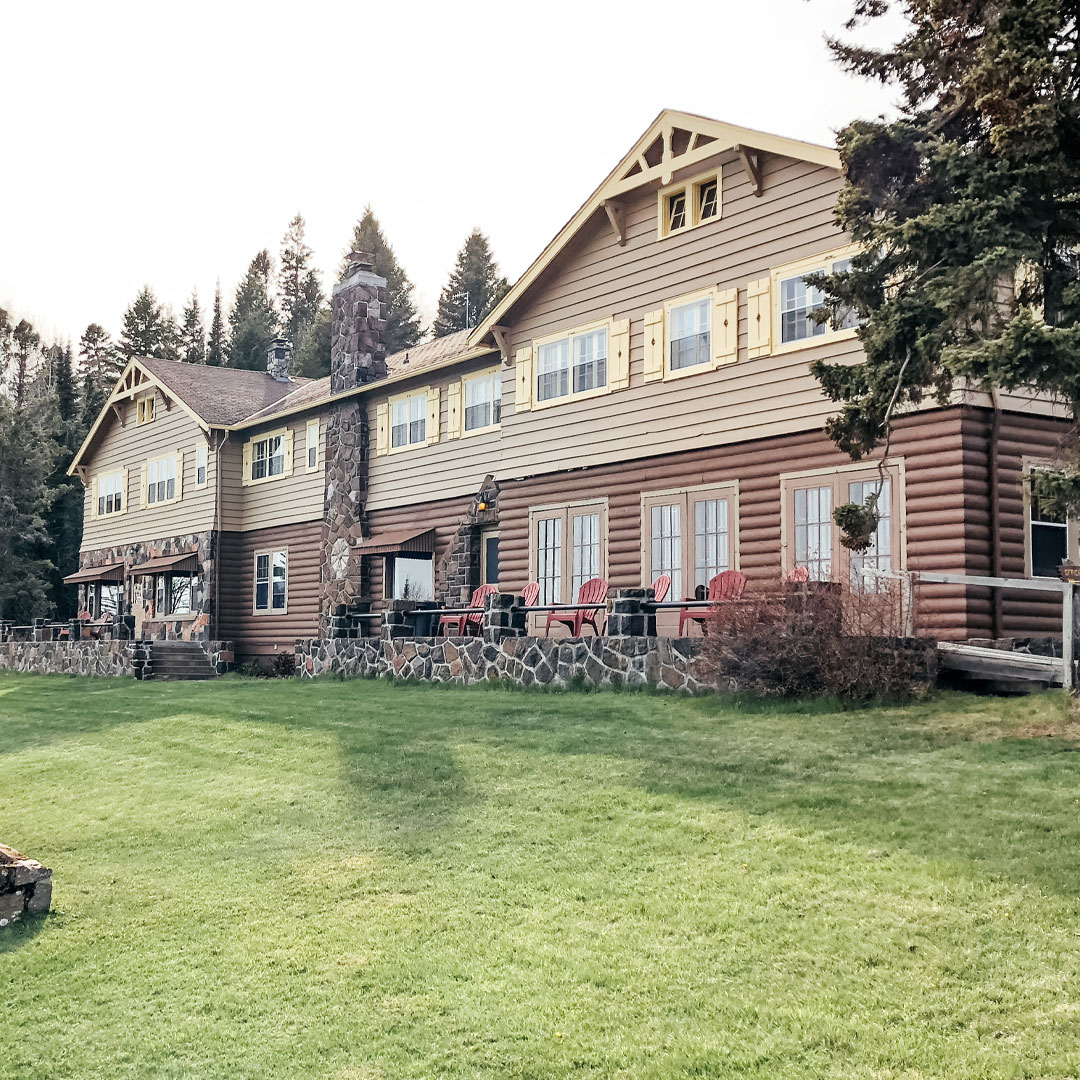
A family is kayaking on your resort’s lake. Someone slips on a wet dock. A guest trips on a cabin step in the dark.
These aren’t worst-case scenarios cooked up by an insurance agent. They’re real situations that lodge owners, resort operators, and vacation rental hosts across Minnesota deal with every season.
The question isn’t whether something can happen on your property. It’s whether you’re covered when it does.
You’re Responsible for More Than You Might Think
When a paying guest is injured on your property, Minnesota premises liability law generally holds property owners responsible for maintaining a reasonably safe environment. That applies to your cabins, your dock, your hiking trails, your fire pit area, and every amenity in between.
Medical costs, lost wages, pain and suffering claims, and legal defense fees can add up quickly. A single slip-and-fall on an icy cabin porch or a dock injury during peak summer season can result in a claim that runs well into the tens of thousands of dollars, sometimes more, depending on the severity.
Standard homeowner’s policies don’t cover short-term rental or resort operations. A generic commercial policy often misses the specific exposures that come with hospitality properties. That gap is exactly where lodge owners and vacation rental operators get into trouble.
The Exposures Are More Varied Than Most People Expect
Running a Minnesota resort or lodge comes with liability risks that go far beyond guest check-ins. From waterfront activities to seasonal weather hazards, every amenity adds a layer of exposure to your operation.
Key Liability Risks for Minnesota Resorts
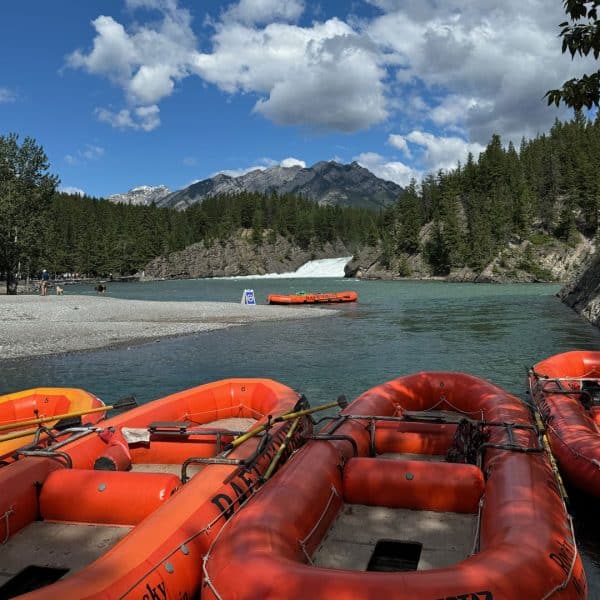
- Waterfront & Watercraft: Liability begins the moment guests leave the dock using boats, kayaks, canoes, or personal watercraft.
- Guided & High-Risk Activities: Specialized recreation, including archery, hunting, climbing walls, and hiking, each carries a distinct risk profile, with zip lines representing a high-category exposure due to height and speed.
- Food & Alcohol Service: Operating a bar or restaurant introduces risks ranging from foodborne illness and slip-and-fall incidents to liquor liability claims resulting from off-site guest accidents.
- On-Site Amenities: High-traffic features such as hot tubs, playgrounds, outdoor fire pits, and docks are frequent sources of liability claims.
- Seasonal & Environmental Hazards: Properties in regions like the North Shore, Red Wing, and Lutsen must manage terrain-specific risks, including lakefront ice, uneven trails, and unpredictable storm damage.
By identifying where your exposure is highest, you can better protect your guests and the long-term viability of your business.
What the Right Insurance Coverage Does
General liability insurance is the foundation. It covers guest injuries, medical expenses, legal defense costs, and settlements when your property or operations are found liable. But for resort, lodge, and vacation rental operations, that baseline needs to be built out.
At MBA Insurance Services, we work with properties ranging from small vacation rentals and townhome associations with short-term rental units to full-scale resorts with cabin complexes and guided outfitter operations.
We have markets for these businesses specifically, which matters because not every carrier will write hospitality properties with active outdoor amenity programs.
Comprehensive lodge and resort policies are designed to protect both your physical assets and your long-term revenue. Essential coverages typically include:
- Property & Equipment: Protection for structures, specialized machinery, and tools.
- General Liability: Coverage for guest injuries and day-to-day premises operations.
- Liquor Liability: Protection for businesses serving alcohol on-site.
- Commercial Auto: Coverage for guest shuttles and transport vehicles.
- Workers’ Compensation: Mandatory protection for your resort staff.
- Equipment Breakdown: Specialized coverage for heating systems and commercial kitchen appliances.
- Cyber Liability: Protection for digital booking platforms and sensitive guest data.
- Business Interruption: Replaces lost income if a covered event forces a mid-season closure.
Tailoring these coverages ensures that a single incident doesn’t compromise the future of your entire operation.
What to Do If an Injury Happens
Document everything immediately. Take photos, collect witness information, and write down exactly what happened and when. If possible interview anyone who may have witnessed the incident. Notify your insurance carrier as soon as possible, even if you’re not sure a claim will be filed. Delayed reporting can complicate the process.
Don’t admit liability to the guest or their family before speaking with your agent. That’s not about being unhelpful. It’s about protecting your ability to have the claim handled properly through your coverage.
Get Coverage That Fits Your Minnesota Property
A lakefront fishing lodge in has different exposures than a luxury retreat. Your coverage should reflect what you do, not a generic template for commercial property.
MBA Insurance Services has worked with Minnesota resort, lodge, and vacation rental operators for decades. We’ll sit down with you, look at your property and your amenities, and build coverage that protects what you’ve built. You’ve worked hard to get here. We work just as hard to keep it protected.
Reach out to any of our offices in Red Wing, Lake City, Ellsworth, or Lutsen to get started.
Insurance FAQs
Does a standard homeowner’s policy cover vacation rental injuries?
Generally, no. Most homeowner’s policies exclude or severely limit coverage for short-term rental activity. A separate commercial or vacation rental policy is typically required.
What if a guest is injured using a kayak or boat I rented to them?
Watercraft liability is a specific exposure that needs to be addressed in your policy. Standard general liability may not cover watercraft incidents without an endorsement or separate coverage.
Is liquor liability required if I serve alcohol at my resort?
It’s not always legally required, but it’s strongly advisable. Liquor liability covers claims arising from alcohol service, including incidents that occur after a guest leaves your property.
What does business interruption insurance cover for a lodge?
It covers lost income and certain ongoing expenses if a covered event, like a fire or major storm damage, forces you to temporarily close or reduce operations.
Do I need workers’ compensation if I only have seasonal employees?
In Minnesota, workers’ compensation is generally required for employers with at least one employee, including part-time and seasonal workers. Your agent can confirm the specifics for your operation.